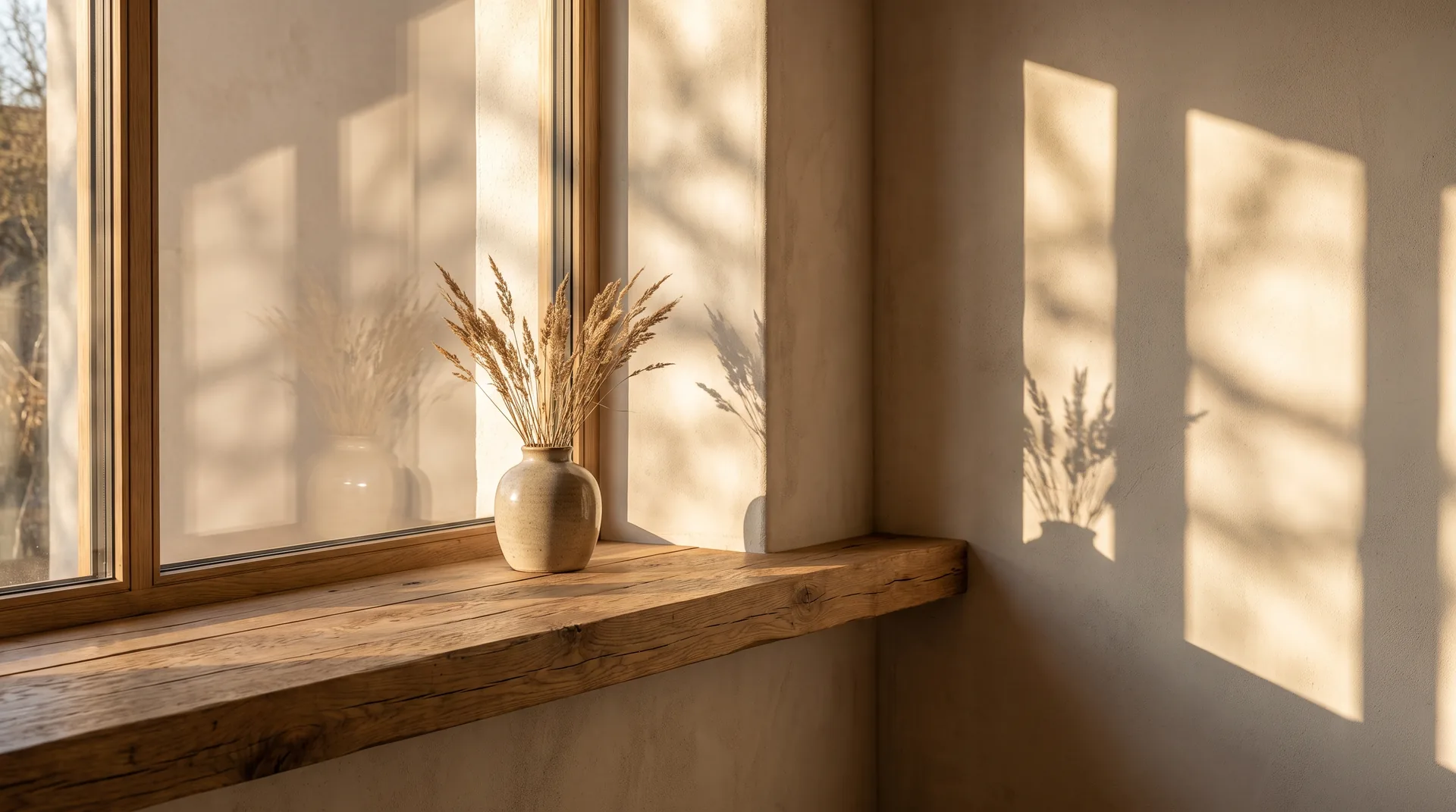
When Should You Replace Your Windows?
The real signals that mean it's time to replace your windows, and which common issues don't actually require it.
The short answer: replace your windows when repair can no longer fix the underlying problem — a failed glass seal, a rotted or warped frame, or single-pane glass in a home you plan to keep long-term. Cosmetic wear, a stuck lock, or worn weatherstripping usually doesn't require full replacement.
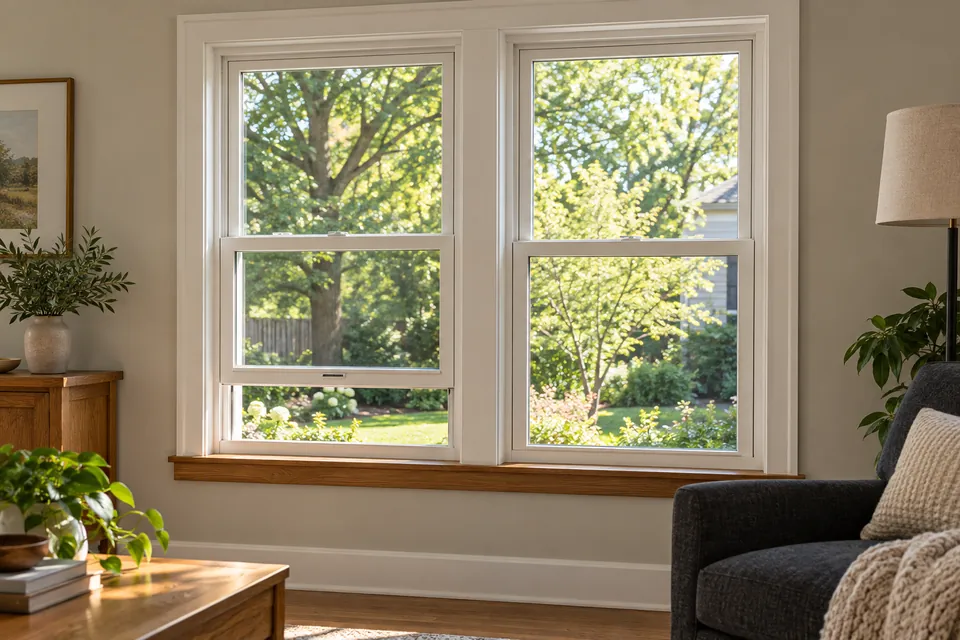
The clearest signal: a failed seal
If you see permanent haze or condensation trapped between the glass panes, that's a failed insulated-glass unit seal. It's not dirt, and cleaning won't fix it. Once the seal fails, the insulating gas has escaped and moisture has gotten in — the glass unit (or the window) needs replacing.
Structural signals
Soft, discolored, or visibly warped frame material — especially on wood windows — points to moisture damage that repair alone won't resolve. A window that's noticeably out of square, or one where you can see daylight around the frame when it's closed, is in the same category.
What doesn't necessarily mean replace
A stuck lock, worn weatherstripping, a broken sash cord or balance, or peeling paint on an otherwise sound wood frame are all commonly repairable. If the frame itself is structurally fine, a repair is often the more cost-effective fix — see our guide on repair vs. replacement for how to make that call.
Age as a factor, not a rule
There's no fixed expiration date, but most double-pane windows perform well for 20–30 years before seals and hardware start failing at a higher rate. Original single-pane windows in older Indianapolis homes are well past that point regardless of visible condition, and typically justify replacement on efficiency grounds alone.
One more thing homeowners ask.
Related guides.
Getting Started10 Signs Your Windows May Need to Be Replaced
Getting StartedHow Long Do Replacement Windows Last?
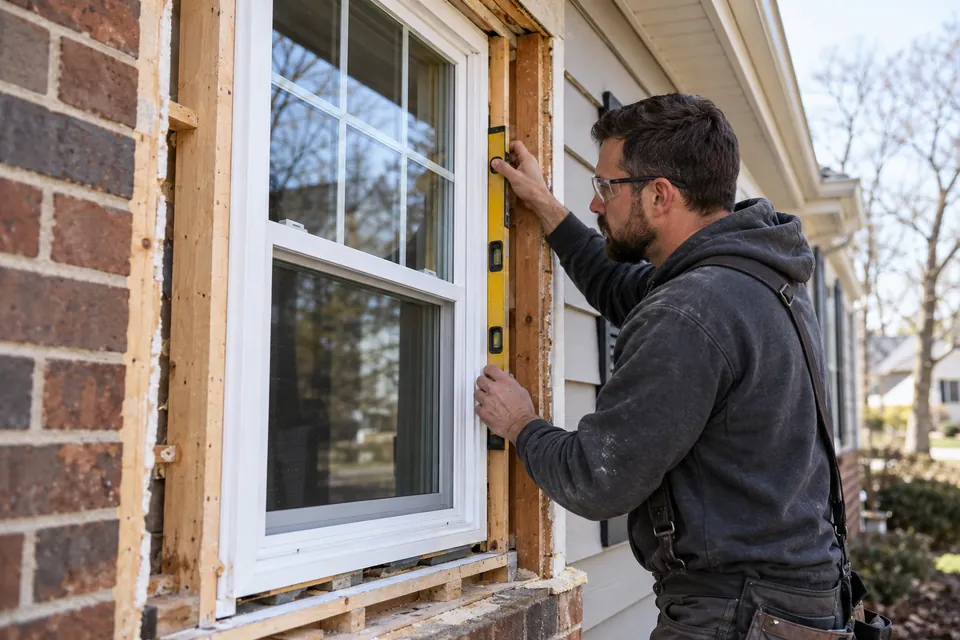
Getting StartedWhat Happens During a Window Replacement Project? A Step-by-Step Walkthrough
 Getting Started
How to Prepare Your Home for Window Installation Day
Service and design images are illustrative; they do not represent documented local projects.
Ready to get a free estimate?
Two minutes, no obligation, no showroom visit required.